


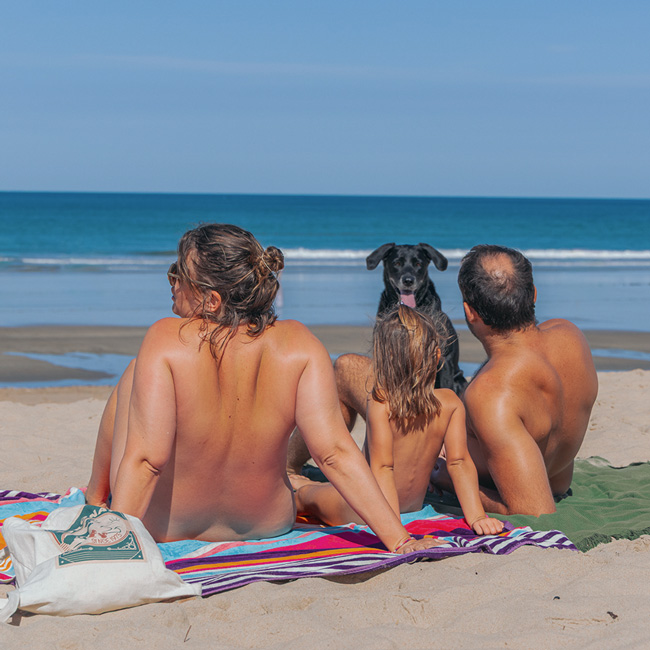


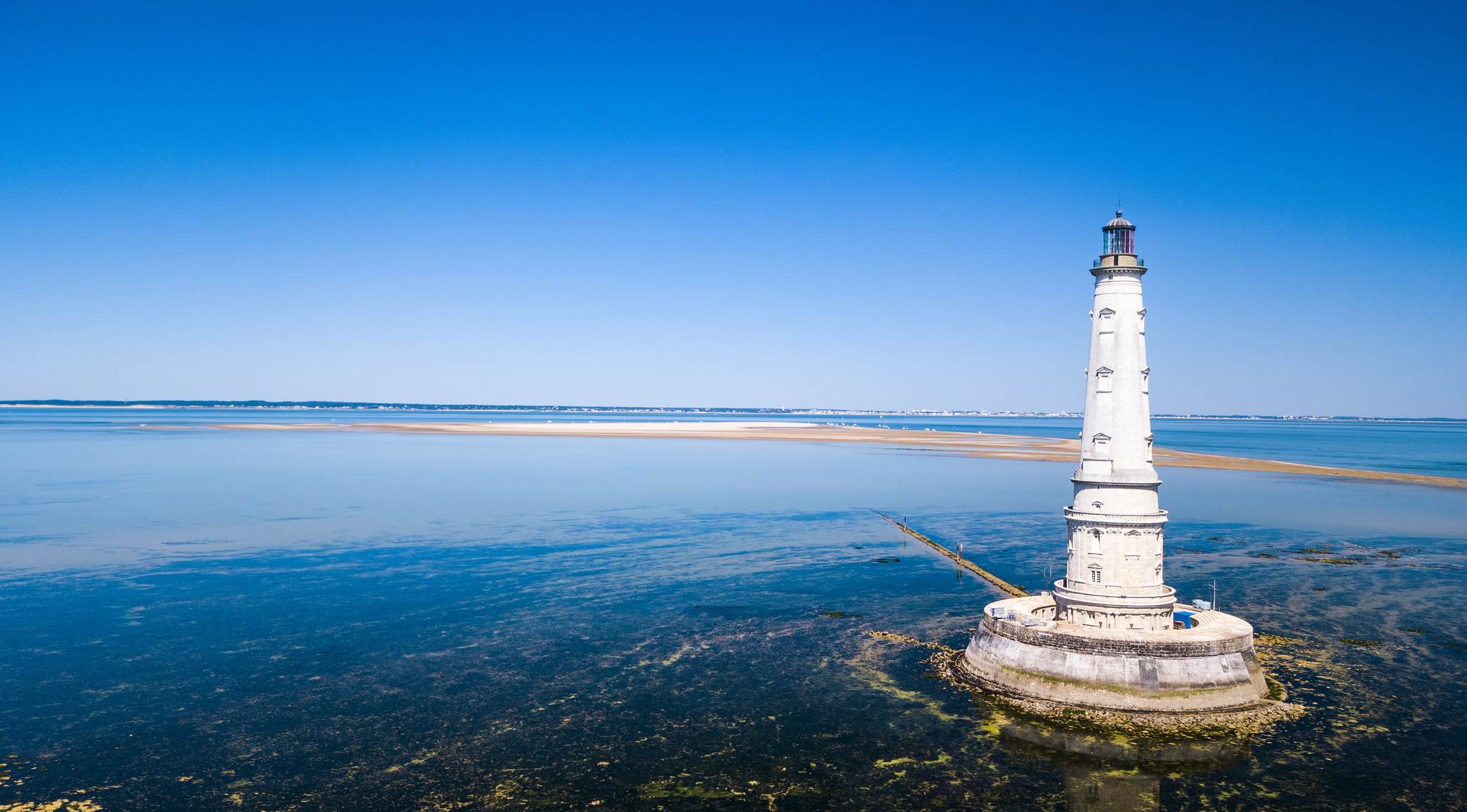




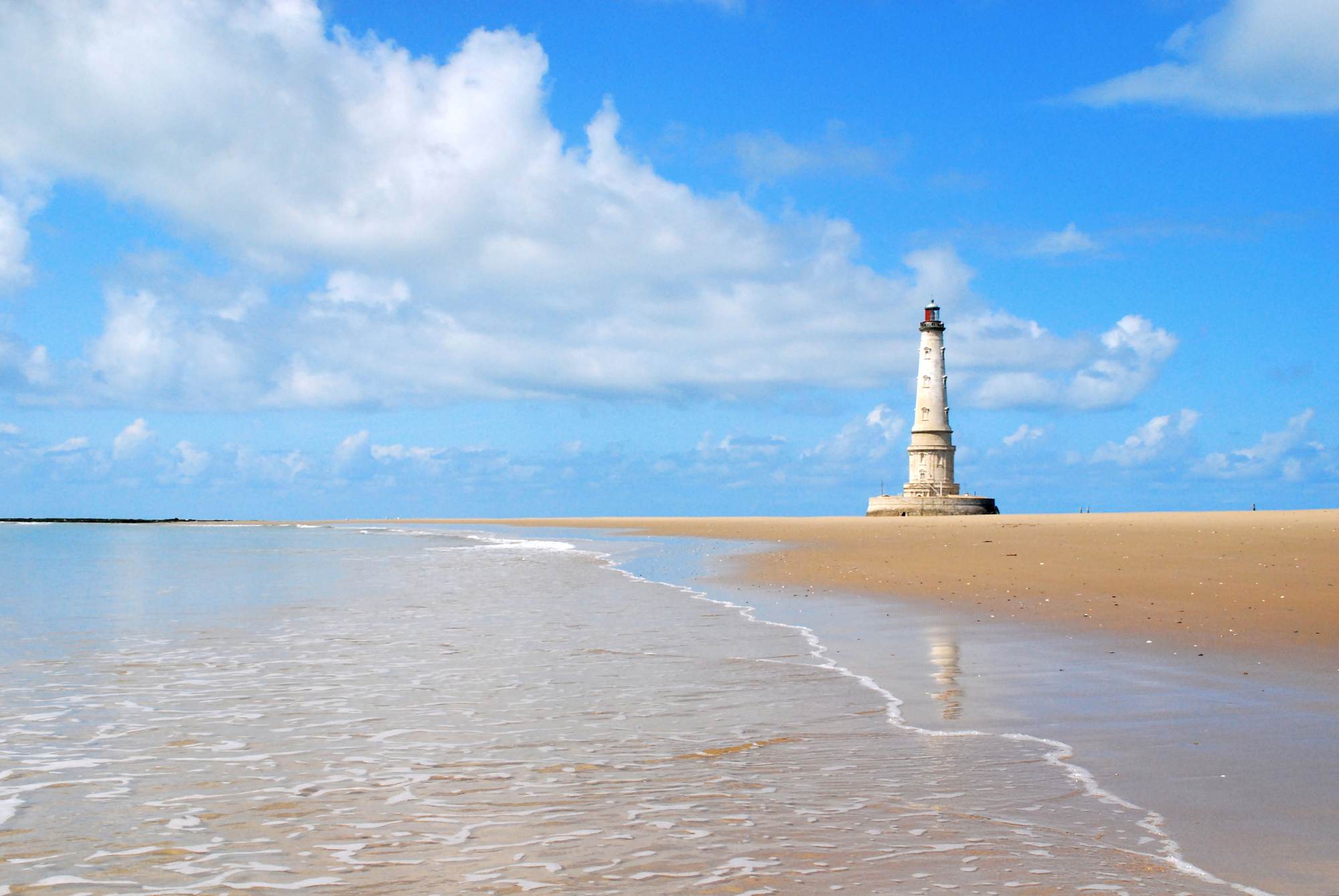
When you stand on the beach at Euronat, you can see a tall tower in the middle of the ocean. This is the Cordouan lighthouse. It’s known as the king of lighthouses, but above all it’s the lighthouse of kings, because the project to build it was decided by a king, and its architect only realized it with his monarch in mind…
Cordouan, the lighthouse of the kings of France!
The King of Lighthouses classified as a UNESCO World Heritage Site on July 24, 2021!
When you stand on the beach at Euronat, you can see a tall tower in the middle of the ocean. This is the Cordouan lighthouse. It’s called the king of lighthouses, but it’s above all the lighthouse of kings, because the project to build it was decided by a king, and its architect only realized it with his monarch in mind.
The history of the Lighthouse
Cordouan is the only lighthouse in France still inhabited (keepers take turns every 15 days), and open to the public. Its tower can be seen from all along the Médoc coast, including from the beach at Euronat.
The first stage
History:
Construction of the lighthouse began in 1584 at the request of Henri III, and was not completed until 1611 under the reign of Henri IV, by the architect Louis de Foix.
A true technical feat for its time, the construction is set on a rocky islet located between the 2 navigation passes. The passes are the access routes for ships wishing to enter or leave the Gironde estuary. Since it was built, the lighthouse has provided safe navigation. In fact, the area was once so dangerous that the islet of Cordouan was used as a navigational beacon in ancient times. In the Middle Ages, Cordouan Island was inhabited by monks who kept a permanent fire burning.
Construction:
Under the architect’s impetus, Cordouan was built not just as a lighthouse, but as a Renaissance-style monument to the King of France. Louis de Foix built a chapel called “Notre dame de Cordouan”, as well as the king’s apartment, making Cordouan the lighthouse of kings . The lighthouse then had three levels: the king’s bedroom, the chapel and, finally, the lantern.
Completion
A revolutionary technique:
In 1786, Joseph Teulère, an engineer, was entrusted with new work on the lighthouse: it had to be raised so that the light could be seen from as far away as possible. He added 30 meters, divided into 3 storeys, to the lighthouse tower, which then took on its current shape. In 1790, Teulère installed a mechanism invented in 1780 at the top of the lighthouse. Cordouan was the first lighthouse in history to light up alternately: the 4th floor is the “counterweight room”, which was necessary for the mechanism of this new machine, to rotate a cover around the lantern, thus creating the impression that the light goes out and comes back on.
The lighthouse, a historic monument :
Cordouan was listed as a historic monument in 1862. It is known as the King of Lighthouses or the Versailles of the Seas. Nevertheless, it requires regular maintenance, as nature does not spare this architectural masterpiece. Since 2002, the lighthouse has been applying for UNESCO World Heritage status, and was finally granted it.
The tower
The lighthouse is protected by a circular structure. A huge wooden gate closes off access when the tide is high. Once up the flight of steps, an inner courtyard opens onto all the keepers’ living quarters. A vestibule leads into the lighthouse tower.
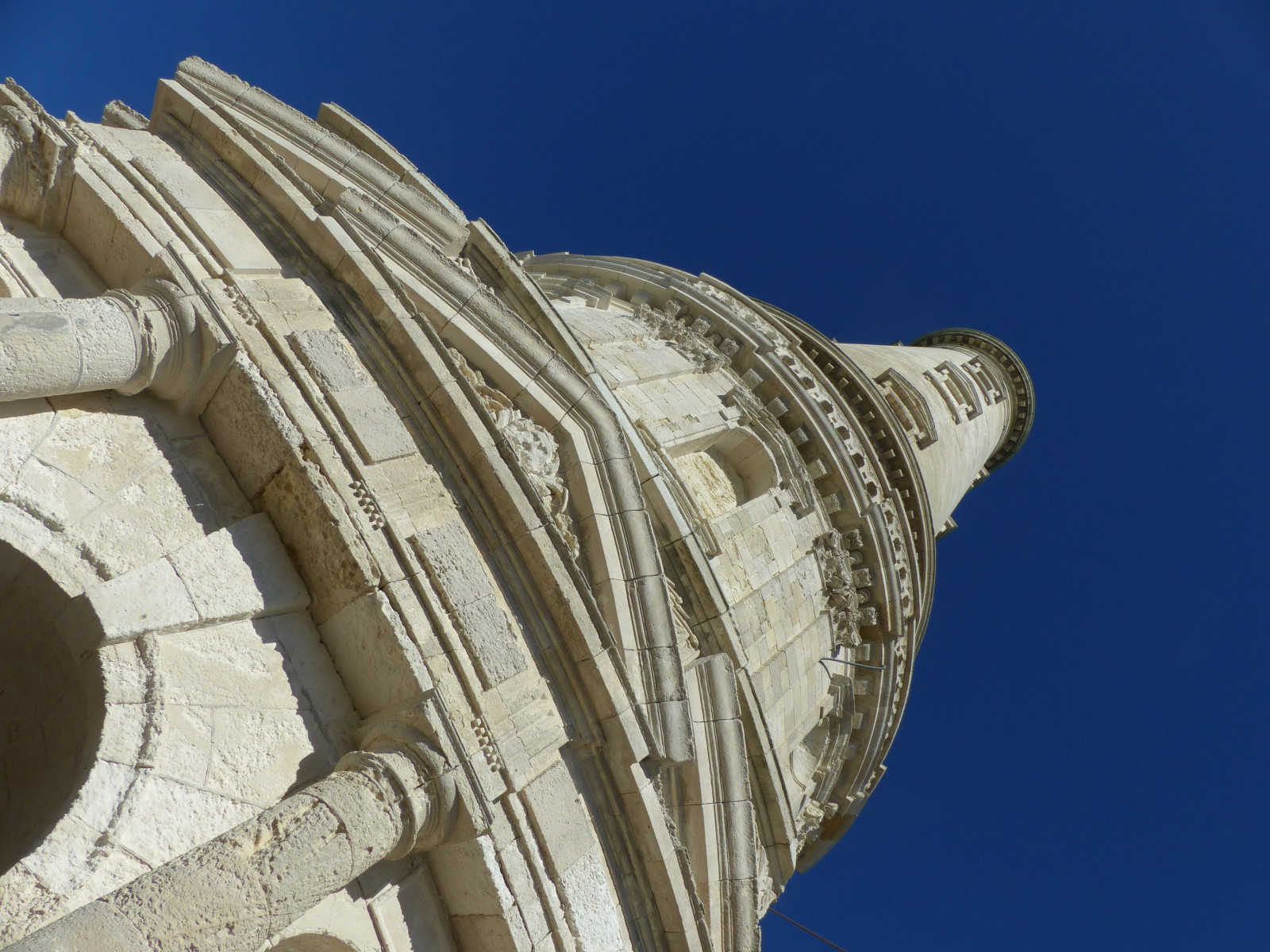
Architectural details abound, and each floor has its own surprises in store:
- the chapel’s stained-glass windows, and
- its clam in reality, a real clam shell
- decorative details, right down to the stairs
- precious woods,
- on the floor of the king’s apartment,
- the janitor’s office,
- the guard room, at the very top of the lighthouse, just below the lantern.
The lantern
Everything about this lighthouse is extraordinary! And once you’ve climbed the 311 steps up the spiral staircase of this unheard-of, majestic tower, you’ll reach the end of your journey through lighthouse history, by accessing the lantern, 67 meters high. It features a circular balcony, from which you can see the Charente coastline, the tip of the Médoc and perhaps, who knows, the beach at Euronat!
The visit
This tour is not to be missed (access by boat)! Lighthouse tours start in April and end on All Saints’ Day, during low tide (approx. 2 hours).
The view from the top of the tower is breathtaking, whatever the direction and whatever the weather. Departures from Pointe de Grave, depending on tides, booking essential, 20 minutes’ drive from Euronat.
